
“This is so you.”
“Did you really do this?”
“I never expected this from you.”
We all say or hear these sentences. But what makes us so certain of our assumptions?
When do we decide that we know a person?
Is it really knowing? Or are we simply good at recognizing patterns? And if so, is this a misconception, or a practical reality we have learned to rely on?
They say you can know a person only to the extent that they allow you to. But what if knowing someone is, at least partly, about recognizing the patterns in their behavior? Patterns that, through repetition, become familiar enough to shape our expectations of who that person is.
But are these patterns entirely theirs? If our presence can trigger, reinforce, or even call for certain patterns in another person, might we also be participating in the very patterns we have come to recognize?
And if so, how much of what we recognize in them reflects something about us? Are we merely observing these patterns, or are we also helping to create them?
When someone begins to feel like a stranger, what has actually changed? Have they started behaving in unfamiliar ways, or has something in us changed, making a familiar pattern no longer work as it once did? Could what we experience as estrangement reflect a change in ourselves, or in the dynamic between us? Perhaps the pattern has not simply disappeared; perhaps it no longer works, or needs to change.
Is it really possible to know a person? Or is recognizing their patterns enough?
And what does it mean to recognize these patterns well? If they allow us to anticipate another person’s behavior, can this understanding become a form of control? Or does familiarity itself offer a sense of security? Perhaps this is why we grow so attached to what we know.
And when someone breaks a familiar pattern, could the discomfort we feel sometimes go beyond surprise, even resembling a sense of betrayal?
At what point does recognizing a pattern become a way of influencing it? And how much of the pattern itself can we shape?
Should we embrace the possibilities of the unknown, or cling more tightly to what we have learned to recognize? Can the familiar and the unknown coexist in a kind of yin and yang?
What, in these patterns, belongs to them, and what belongs to us?
Or is it nonsense even to ask these questions?
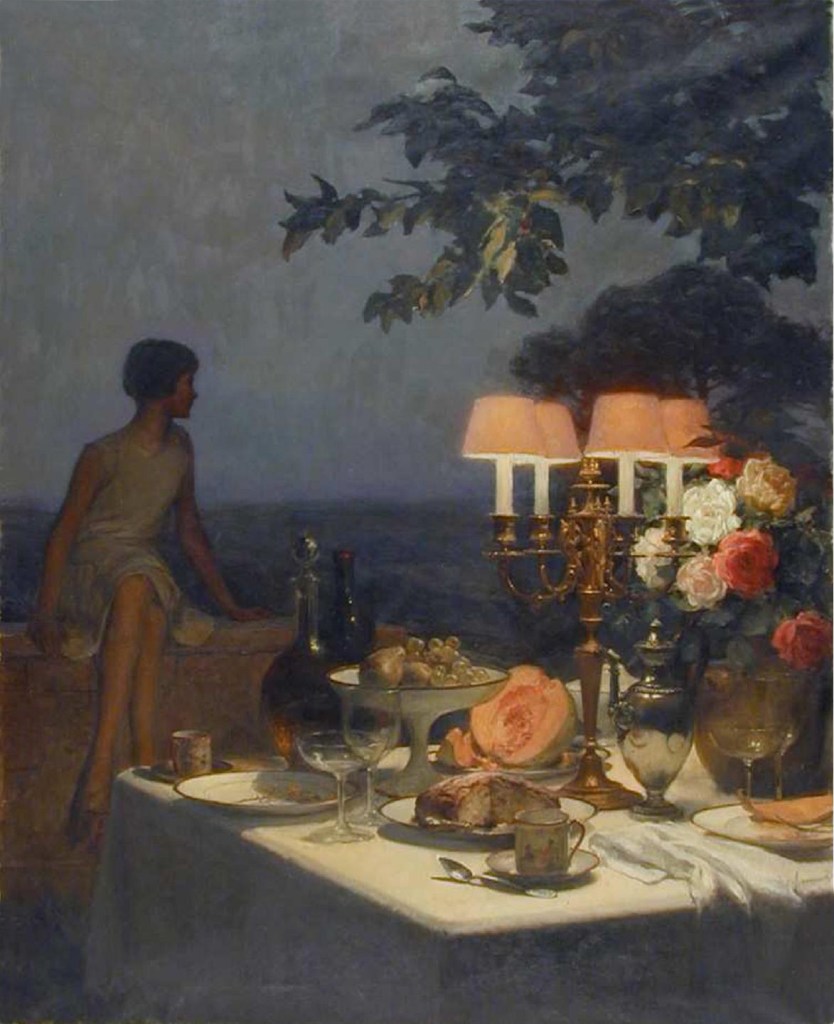
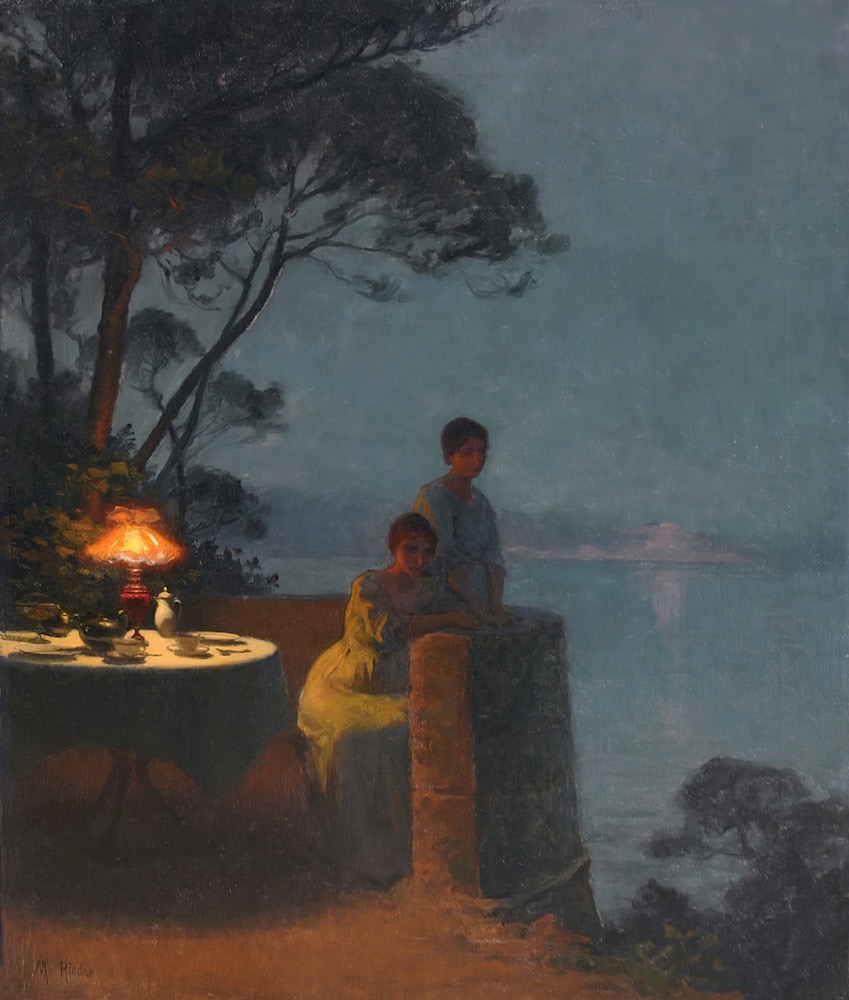
Artworks: 1 Rêverie au bord du lac d’Annecy, Marcel Rieder
2 Veillée devant la Mer Méditerranée, Côte d’Azur, Marcel Rieder
3 Soirée romantique, Marcel Rieder


Leave a Reply