
Vilhelm Hammershøi, Les quatre pièces
One delay. One pause. One cup of coffee. That’s how it began.
I started actively working shortly after graduation. I loved being productive in my field, seeing the results, and earning money for what I truly enjoyed doing. When the Covid pandemic broke out, I somehow turned that crisis into an advantage, as I was working in the field of medicine and medical devices. Before long, I realized I was becoming “successful.” The more projects I submitted, the more “known” I became. Soon, job offers started arriving—project-based, part-time, everything.
Gradually, I became a person whose brain couldn’t grasp the concept of “enough.” I just kept eating and eating, only my food was work. My schedule grew so tight that I was spending entire days without sleep just to keep up with deadlines. The projects were always delivered on time, but I was never sleeping on time. The world was in an economic crisis, yet I was earning well, especially compared to my peers. That was deeply satisfying. It felt as if I was taking my life under guarantee—or maybe it was just the routine taking control of me.
Then one day, one of my projects was delayed. My teammate sent me an email: “The project was postponed this week. Next week we’ll discuss the details and the new project. Sincerely.” That project had been swallowing my entire afternoon and night. Suddenly, that time was mine. I didn’t have to rush. I didn’t feel the invisible pressure I had been carrying for so long.
And then it happened: I realized I wanted coffee. I walked to the kitchen, started brewing, and froze. I couldn’t remember the last time I had made myself coffee without feeling stressed or trapped. That cup was a turning point, an illumination. I wasn’t going with the flow of work—I was drowning in a tsunami I had chosen. And it was not easy to admit to myself that I was ruining my young adulthood like this, especially after years of being applauded for all my professional efforts.
I was becoming experience-rich and financially rich, but livelihood-poor and timely-poor. That evening, I looked at the sunset, and for the first time in a long while, I felt human. And it all began with just one project being postponed.
When we talk about addiction, people usually think of drugs, alcohol, shopping, maybe hoarding. But anything taken beyond its natural limit is poison. For me, that poison was work. It was my addiction. After this realization, I decided I needed to turn back into a normal human being. I wasn’t saving the world—I was just ruining mine.
So, in a “this is the first day of the rest of my life” kind of mood, I booked a trip along the coasts of my country. During that trip, I also started watching movies (I’d never had much of a movie culture, unfortunately). To my surprise, I realized I felt overly empathetic toward robotic, workaholic characters—and I always found excuses for their mechanical behavior.
By constantly working and selling my labor, I was actually exploiting my humane side. I had turned myself into a machine: calculating, planning, organizing, submitting. At some point, I even noticed something more subtle: as a language worker, I was so consumed by my projects that I had become fluent only in professional terminology—yet I struggled to find words in daily conversations. Work hadn’t just claimed my time; it had started eroding my language.
When I returned, I cut down my work schedule. I started working normal hours, like most people. And slowly, I began rediscovering what I truly loved doing. I even started building a reading habit again. But that wasn’t all. Now it was time for my body to react to what I had put it through for years.
Since I wasn’t used to sleeping, my body struggled to adjust. Even months after switching to normal hours, I tossed and turned in bed for nights, unable to sleep more than a few hours. Still, I didn’t give up. I told myself: “I found a way to ruin it; now I’ll find a way to fix it.”
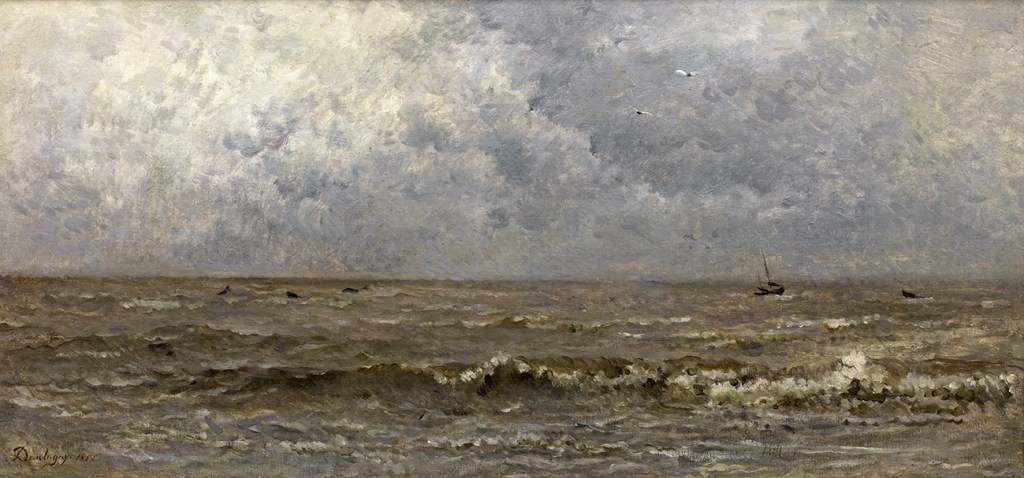
And you know what? I ended up spending almost half of the money I had earned—the money that had made me feel so “secure”—on healing from the damage of working too much. Whenever I put on my glasses, I’m reminded not just of my sight, but of what I let this addiction do to me.
We are not just what we “provide” at work. We are also what we feel, what we love, and how we live. Sometimes, it’s worth pausing to ask ourselves: what are we doing, where are we going, and with whom are we spending our most valuable asset—time? Because going with the flow isn’t always safe. If we don’t stop to notice, that “flow” might carry us somewhere we never meant to be.
💌hello@betweeneverywhereandnowhere.com
 Between Everywhere and Nowhere
Leave a comment