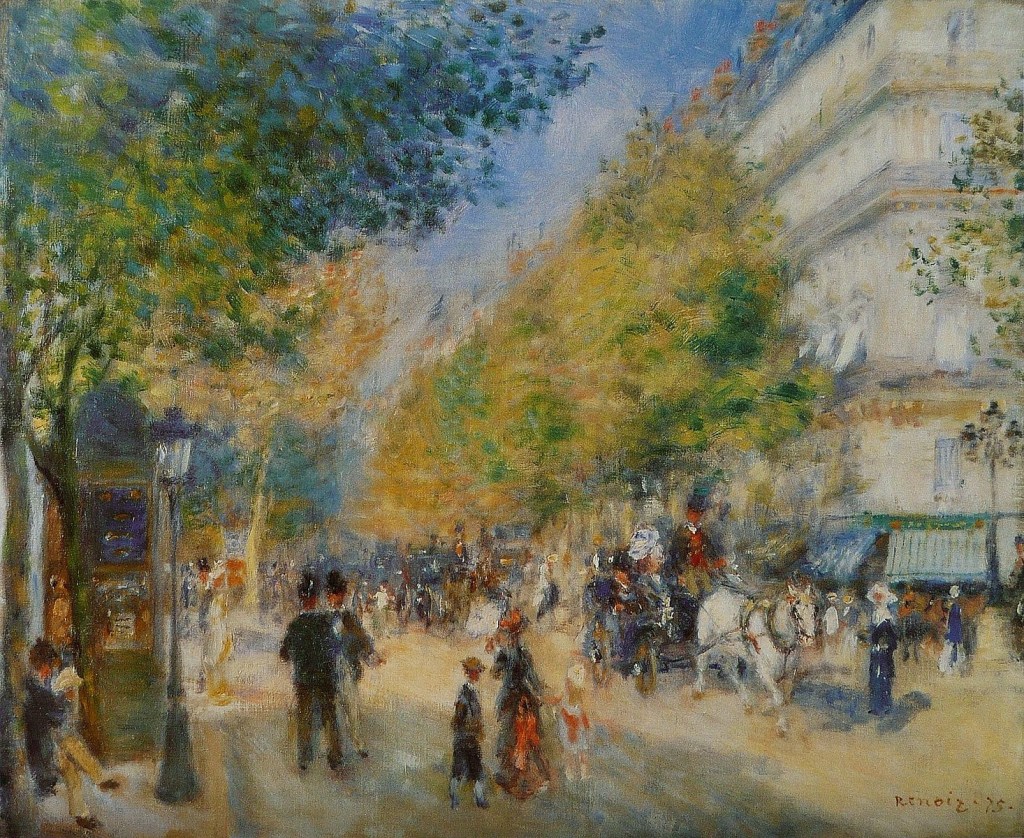
Les Grands Boulevards by Pierre-Auguste Renoir
Can’t take time off? Exams, work, health, or budget holding you back? Or maybe you simply don’t feel like leaving the city. That’s okay. There’s always a way to reset your mind.
What if you didn’t need to go far at all? Sometimes, all it takes is to shift your mindset—from a local to a curious tourist. And then? Just hit the road.
As someone who grew up in a coastal Mediterranean city but is currently stuck in a continental climate because of a busy work schedule, I’ve learned a few tricks to keep my sanity intact when staying in one place feels a little too much.
First- If you were a tourist, what would be your priority?
Trick your brain and have some fun with your life. From this moment on, you are a tourist. Think like a first-time visitor—what would you look for? Where would you go first? What would surprise you? Which feeling would you like to get from your holiday?

Leave your “local” identity at home and wear your shiny new “tourist” identity. You can make a list if you like planning routes, or you can hop on a random bus without checking its destination or simply start walking without a plan. This is your tourist experience—do it your way.
Second – Pace yourself—don’t consume everything at once.
This part is important. How long would you like your “holiday” to last? Give your body and mind the space to feel excitement and joy.
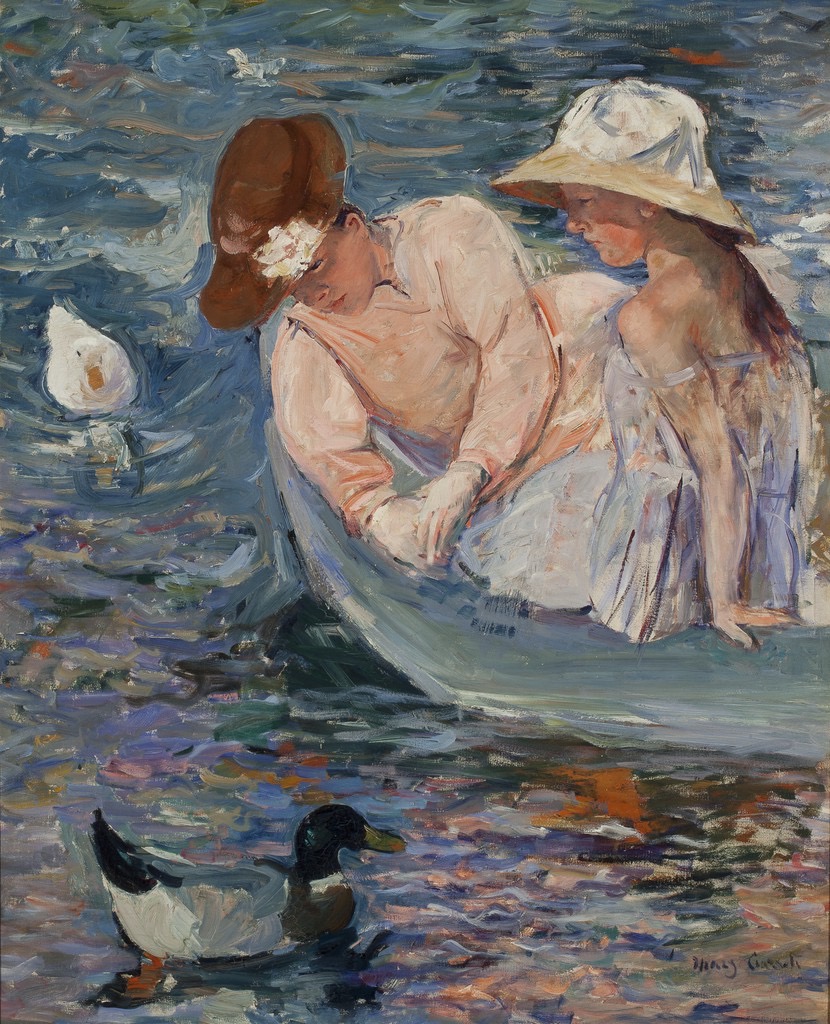
I suggest planning different kinds of days—some for cultural activities, some for nature, and others for simply “living like a local.” Get into the true holiday mindset. Everything starts with perspective—never forget that.
Third – Have some walks enjoying the roads, people around you.
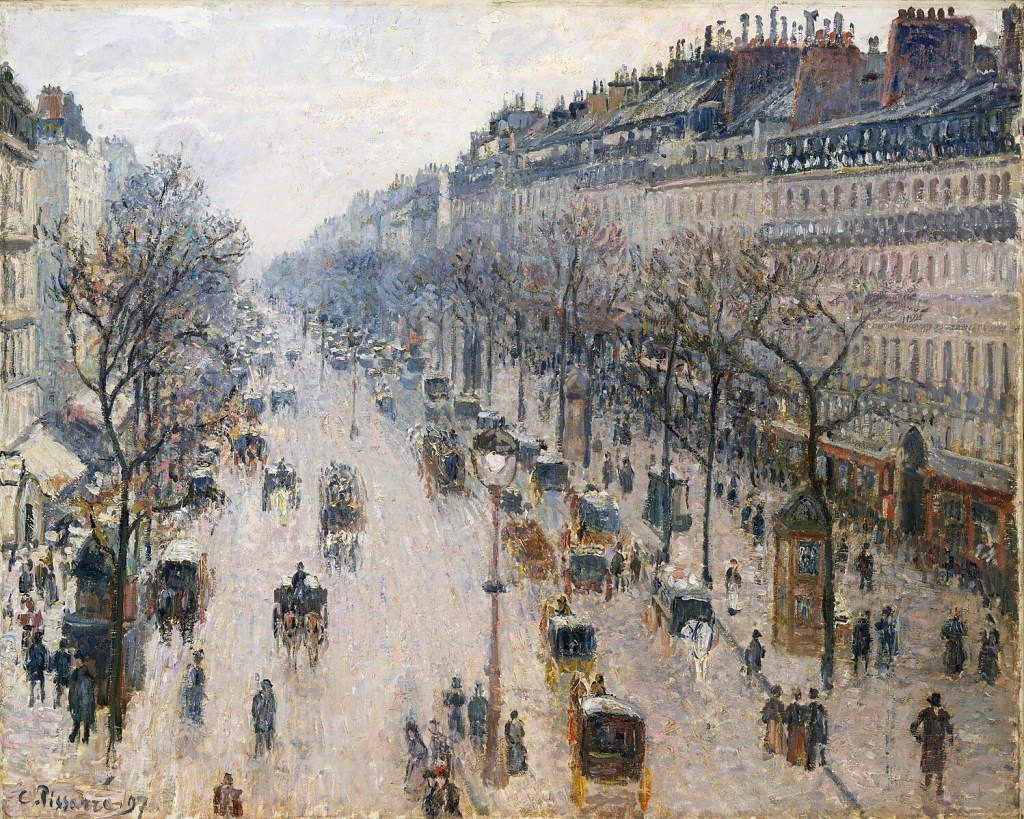
Take a walk, not just to move your feet but to see the roads and the people around you. Give yourself some time to slip into another personality and look at your environment as if you’ve just arrived. Notice the buildings. See what animals people choose to keep as pets. Observe their clothing — does it all blend into a certain harmony, or clash in unexpected ways? Do people rush? Do animals seem safe here? Do faces look happy? What feeling does this place give off? Even the shop windows tell a story: what do they choose to display? At some point, it may hit you — a small, quiet realization about the life you’re living here.
P.S.: Walking isn’t just a physical act — it’s the art of noticing, of connecting the dots between where you are and what surrounds you. Even if you can’t physically walk, the act of ‘walking’ can mean navigating the world through observation, reflection, and awareness. You might see the cracks in the pavement, the forgotten bench, the neighbor’s plant that bloomed overnight. These small discoveries give you a sense of place — and of yourself within it.
Fourth – Visit some museum, sightseeing places.
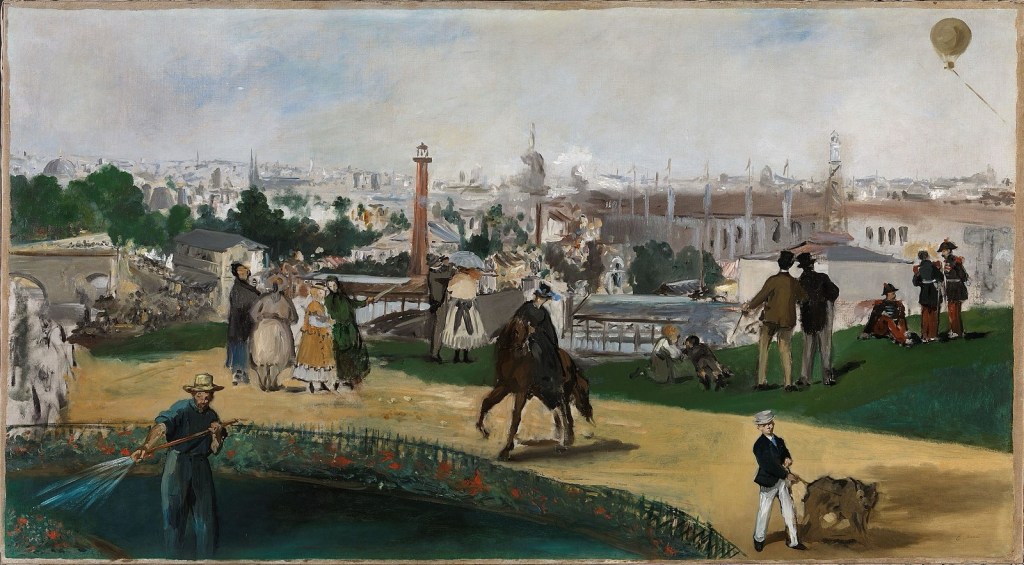
Even if you’ve been there before, go again—with different eyes. This time, read the plaques, observe the visitors, and let the stories sink in. One way or another, we all make a living in the place we currently inhabit. Visiting a museum is a way to honor the generations, civilizations, and heroes who made it possible for us to live here today. Strangely, many of us know more about faraway cultures and works of art than about our own heritage. Perhaps it’s because of the quiet comfort of thinking, “I have plenty of time to see it; I live here, after all.”
Fifth – Blend in with other tourists.
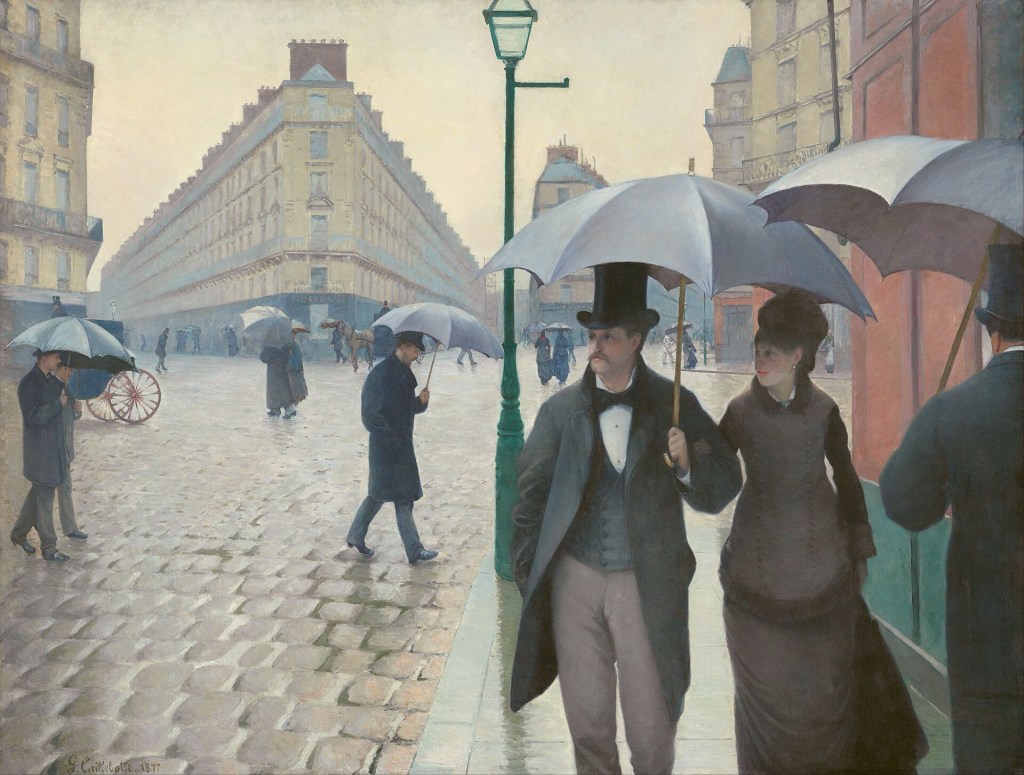
Sometimes the best way to see your city with fresh eyes is to borrow the perspective of actual visitors. Get around other tourists—watch where they go, what they photograph, what excites them about your city. Why did they choose this place for their holiday? What stories do they tell when they send postcards or post online?
You might be surprised to notice attractions you’ve long ignored or details you’ve taken for granted. Tourists often see magic where locals only see routine. By blending in—even just for an hour—you give yourself the chance to rediscover your city’s charm through their lens.
Sixth – Slow down with a drink- coffee, beer, or whatever you love.
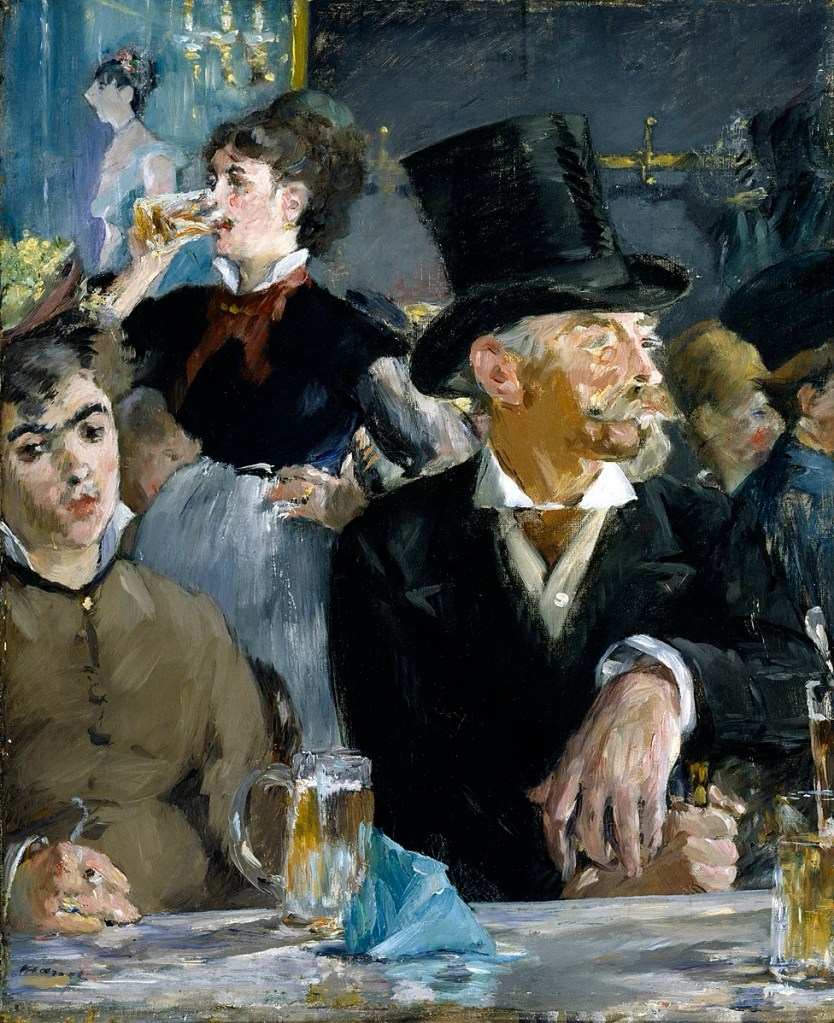
Don’t rush. Don’t scroll. Just sip and observe. Notice the flavor, the atmosphere, the people around you. If you’re a coffee lover, pay attention to which beans, brewing styles, or even types of milk are popular in your city. If beer is your thing, see what local breweries or pubs offer. Treat it as part of your “tourist identity”—evaluating not just the drink but also the culture that comes with it. And of course, in most cases, “you have better at home.” That won’t be surprising at all. What matters is giving yourself permission to pause, to taste, and to notice.
Seventh – Explore local bookstores and kiosks.

Step into a bookstore or a newspaper stand, not just to buy something but to observe. What are the bestsellers right now? Which genres take the front row, and which ones are pushed aside? Are there big discounts on certain categories? From which cultures or languages are books being translated into your own? These little details tell you what stories and voices are shaping your city at this very moment.
And don’t skip the kiosks—look at the headlines. What are the “big” news items today? How are they framed and described in your local style and language? Do they match what you experience in daily life, or what you hear and read online? Sometimes, the differences can be as revealing as the similarities. Maybe you’ll realize there are narratives, concerns, or trends you hadn’t noticed before. It’s like holding up a mirror to your own culture. And reality.
Eighth – Don’t forget to look at the sky.

It sounds simple, almost silly, but when was the last time you really paid attention to the sky above your city? The way the light falls, the way the clouds move, the colors at sunset—these are part of your place’s identity too.
Our equatorial position matters: closer to the equator, the sky feels flatter, the sun rises and sets almost in a straight line. The further north you go, the sky curves more like a dome, stars and constellations moving in circular paths. It’s like the atmosphere itself is drawing a map of where you stand on Earth.
So take a moment. Look up. Notice the patterns, the shades, the rhythm of the sky where you are. Sometimes that alone is enough to remind you: you are already traveling, just in your own coordinates.
If it feels flat, I let myself flow with that flatness; if it feels round, I simply enjoy being held inside that vast dome. 🌬️
Ninth – Get involved in the parts of your city for which you are truly “a tourist”.
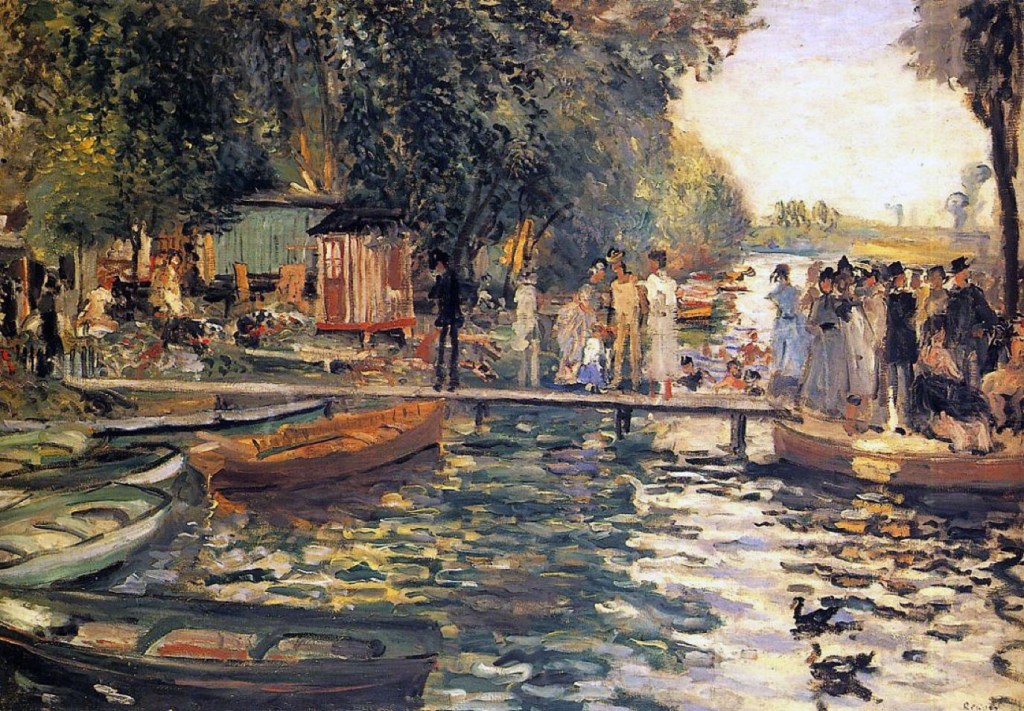
Take this opportunity to explore areas or experiences that you wouldn’t usually explore. Which feels more unfamiliar or unexpected to you: attending a rock concert, an artsy workshop, or observing a religious ritual you don’t participate in? By stepping into these moments, you will encounter your own “inner tourist,” the part of you that sees your everyday surroundings with fresh, curious eyes.
Tenth – Feel however you like, do not force yourself to be the “perfect tourist”.
We’re all human, and we all need time off at some point—especially when everyone around us seems to be taking a break. Even if you feel like your mind doesn’t need it, trust me, your body probably does.
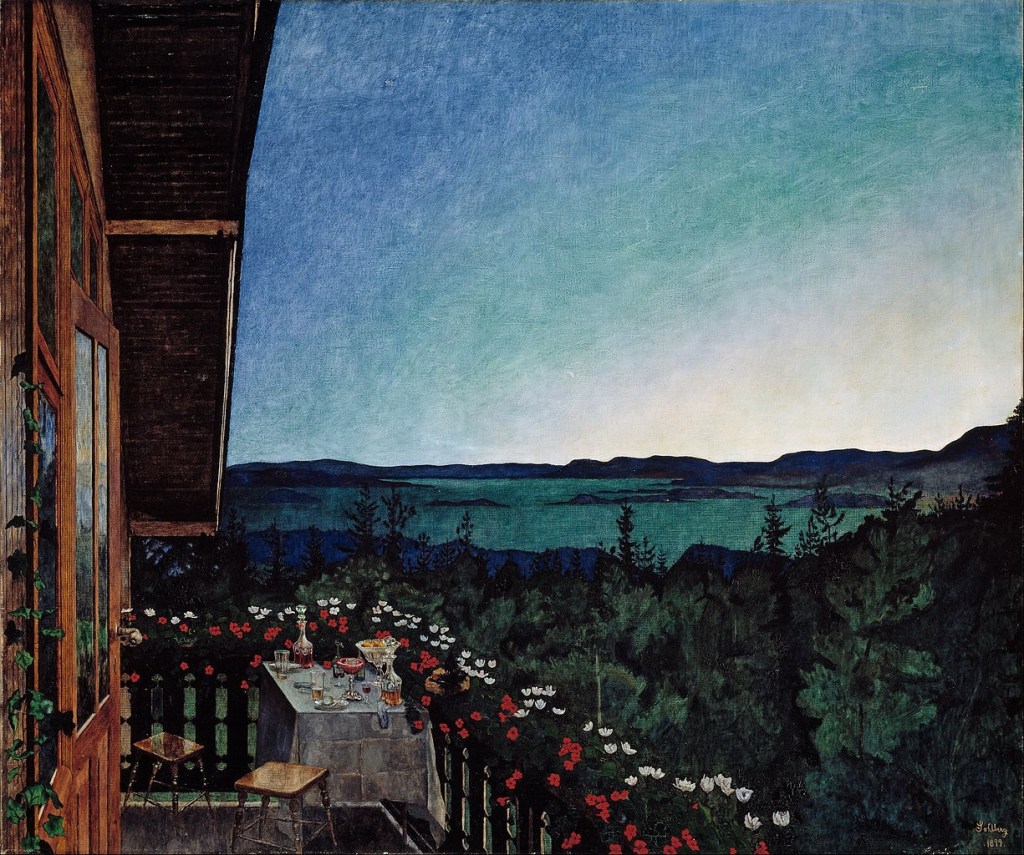
Everything I’ve shared in this post— “do this, look at that, go here, try that”—are just ideas, not obligations. Please don’t neglect yourself in the process of trying to do everything “right.” What matters is finding ways, big or small, to stay connected, calm, and present.
If for you, a holiday simply means lying on your bed and staring at the ceiling, then that’s your absolute alternative holiday plan. If it means long walks, museum visits, or sipping a slow coffee, that’s your absolute alternative holiday plan too. What matters is that it feels right for you.
There’s nothing wrong with wanting more—I do too. But learning to honor our limits is its own kind of strength. If you can’t go on holiday right now, don’t close the door on your spirit. Keep it open. Stay curious. Let yourself feel like a traveler, even if it’s just a few streets away from home.
💌hello@betweeneverywhereandnowhere.com
 Between Everywhere and Nowhere
Leave a comment