
Le Déjeuner des canotiers by Pierre-Auguste Renoir
The term etiquette has been gaining popularity these days, especially on social media. But what do we actually know—or understand—about it?
According to the Cambridge Dictionary, etiquette is “the set of rules or customs that control accepted behaviour in particular social groups or social situations.”
We may not always notice it, yet we are all born into a world of etiquette. Do this, don’t do that, not here, only this way…These silent rules vary widely, but they help us navigate the necessities of society.
Personally, I like to describe etiquette as “fancy boundaries that help us fit into the world required by the social contract.”
At first, the very words rules or boundaries may trigger resistance. We tend to associate them with restriction. But in reality, these rules exist to make our lives easier—not harder.
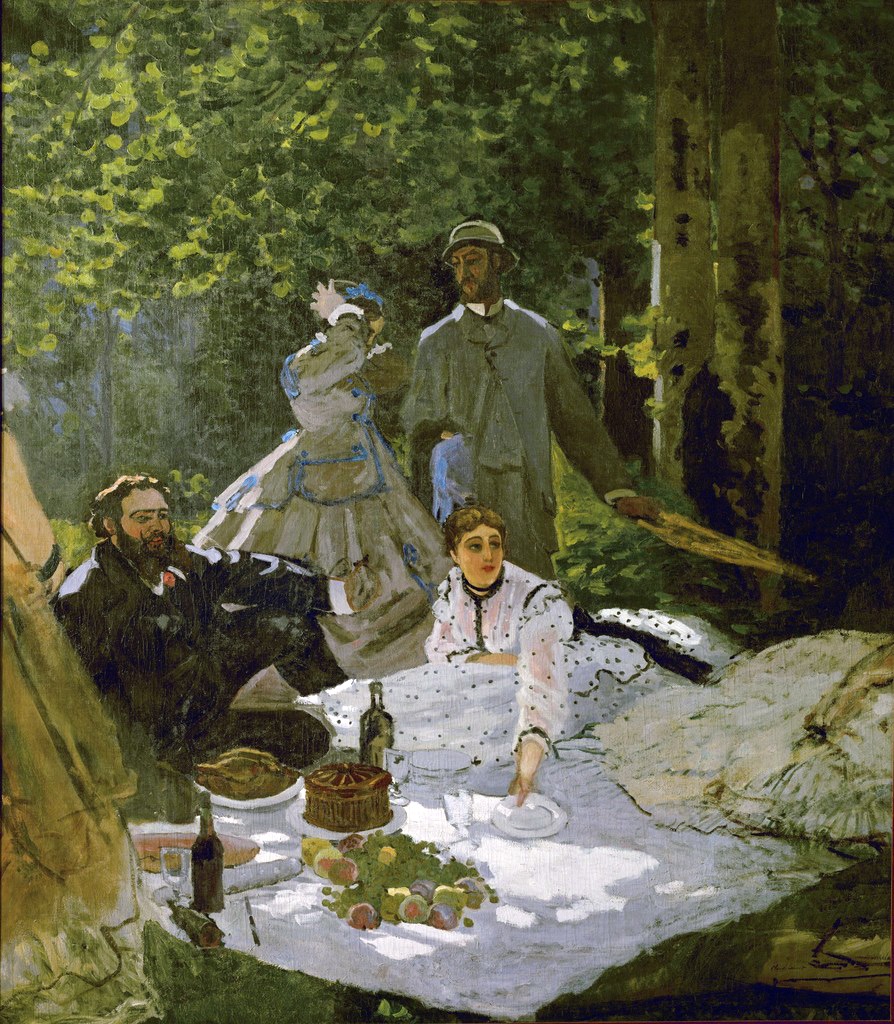
Every culture, every society, every city, every country has its own unique set of customs. In Japan, bowing is not just a greeting but a reflection of respect; in Türkiye, paying for a friend shows how deeply you embrace that friendship; in Denmark, following the rules and showing courtesy on bicycles reflects consideration for everyone on the street; while in France, table manners are a language of their own. We are expected not only to follow these customs, but also to respect and represent them. Etiquette is the perfect tool for this.
Recently, I’ve been reading Crushing Etiquette by Miera Rao and Philip Sykes. What struck me most was the idea that etiquette isn’t just about what happens during an event—it starts the very moment we begin preparing, continues in how we engage, and even lingers in the way we leave. That sense of wholeness truly fascinated me.
For me, etiquette is an investment in ourselves. But do we really think of it that way? Today, especially online, etiquette is often reduced to slogans like “dress like a lady,” “project silent wealth,” or “look like a true gentleman.” But it is so much more than styled hair or a neatly trimmed beard.
It is about showing respect to a table by behaving as it requires. It is about easing the work of a host without making them uncomfortable. It is about smoothing daily life and supporting one another. Waiting patiently in line for the metro is etiquette—just as much as holding your wine glass by the stem, which keeps your wine at the right temperature.
Of course, not every aspect of etiquette ages well. Some traditions may feel outdated, even irrelevant. But that is natural: etiquette is shaped by the needs of societies at particular moments. It evolves so that our lives become more ordinary, more compatible, and hopefully, more graceful. The important thing is not to hollow out its meaning, but to let it grow with us.
Whether we are aware of it or not, we are all etiquette critics in our own way. In a business meeting, if we see someone with messy hair and creased clothes, what impression do we form? Or when someone stands too close in a queue, ignoring personal space—what does that say about them? Aren’t they acting against the etiquette we silently agree to uphold?

Never underestimate the power of your daily habits. It is not just the business meeting, not just the holiday we enjoy, not just the coffee we drink, and not just the dinner that satisfies our hunger.
I remember once attending an Independence Day concert organized by a foreign country in my own city. I hadn’t prepared properly and didn’t pay much attention beforehand, and as a result, I felt I was showing disrespect by not following the crowd’s cues. That moment reminded me that when everything is done with awareness and consideration, no negative feelings arise—etiquette simply allows life to flow more harmoniously.
I also remember holding the door for a stranger, and their smile reminded me how small gestures can ripple through a day.
As Oscar Wilde once said:
“The man who can dominate a London dinner-table can dominate the world.”
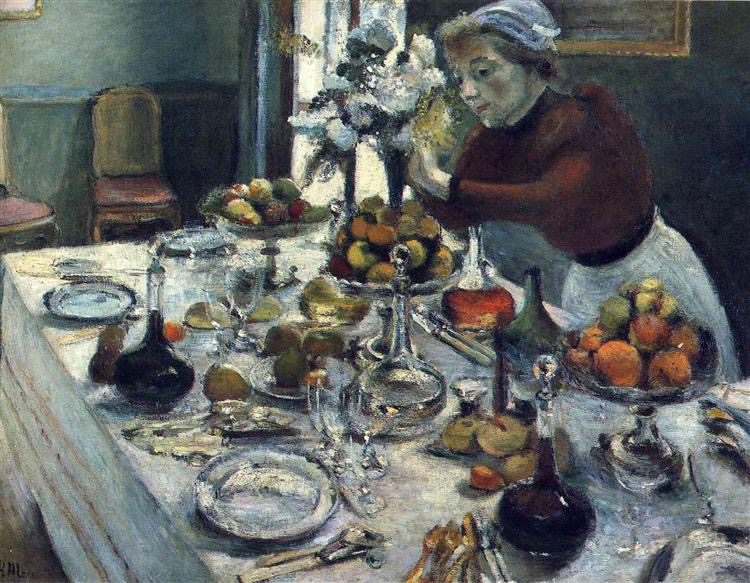
Nowadays, we should embrace everything that makes our lives easier and more harmonious—and I truly believe etiquette is one of them. No matter where we are or what we are doing, carrying ourselves with dignity is always worthwhile. Etiquette may seem small, even invisible at times, but it shapes the way we move through life—and the way life moves around us.
So next time you pause in line, offer a smile, or hold your wine glass by the stem, remember: these little gestures matter. They are not just rules to follow—they are opportunities to live more gracefully.
Which small gesture of etiquette will you practice today, and how will it change your interactions?
💌hello@betweeneverywhereandnowhere.com
You can follow me on:
 Between Everywhere and Nowhere
Leave a comment