
Do you have a dust-mite allergy? Are you constantly sneezing, itching, or feeling tired in your own home? You might be living with a dust-mite allergy—just like I was. So, welcome to the club!
Golden Rule: Don’t fight your immune system; work with it instead.
That mindset shift was the starting point. Then came the real work: reshaping my environment, especially my bedroom, to support healing instead of irritation. Here’s how I did it, step-by-step, without blowing my budget.
P.S. I paid for all the products mentioned here myself, so this isn’t an ad.
🛏️ Step 1. Clean Up Where You Sleep Most
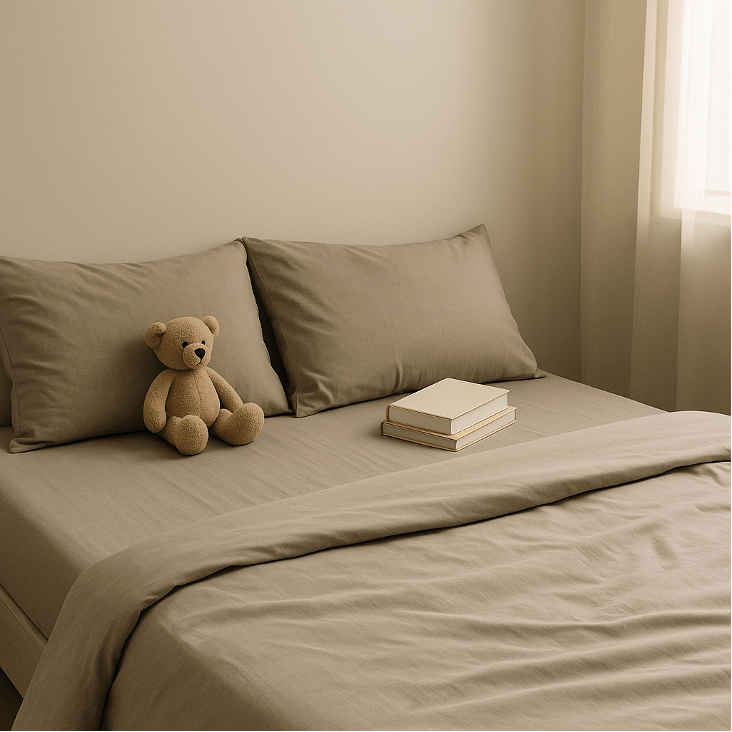
When you find out your own home is making you sick, the first reaction is confusion. “How can the place I rest be the culprit?” I thought the same until I discovered that dust mites love the same things I do: warmth, softness, and still fabrics.
Research by Adnan Custovic highlights indoor allergens as major allergy and asthma triggers, so your bedroom seems to be the main battlefield. Take it easy. Just take a look around and identify the potential allergens. I examined mine as if it were a crime scene: the bed, the curtains, the wool carpet, the books stacked on my desk, and even the plush toy I’d never thrown away. All of these had quietly collected dust.
So, I made a simple rule for all my belongings:
Easy to clean. Hard for dust to settle.
This filter guided every decision and became my first act of self-protection.
🛌 Step 2. Upgrade Your Bed Without Buying a New One
Buying a new mattress is usually the first advice you hear. But honestly, I didn’t want to put a big chunk of my budget into just one thing, as this allergy calls for a more holistic approach.So, I worked with what I had. I aired out my mattress for a few days. Then, I sprayed it with anti-mite spray.

And zipped it into a high-quality, tightly-woven anti-mite cover from Velfont.

Instant upgrade—no new mattress needed. That cover was my biggest investment, and I still think it’s money well spent.
For sheets, I chose Ikea’s Luktjasmin duvet cover and Nattjasmin fitted sheet—soft, affordable, and with a thread count of 310. Why does that matter? Because fabrics with thread counts between 200 and 600 block dust-mite allergens effectively.
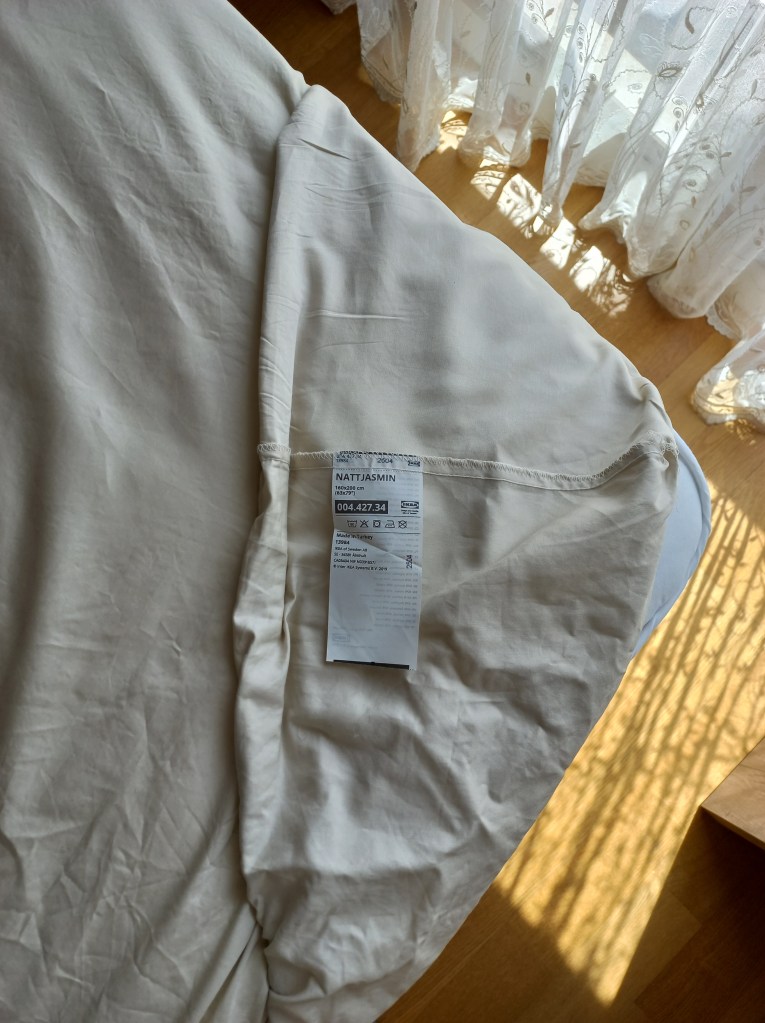
I also looked for breathable, gentle fabrics like organic cotton, bamboo, or Tencel—easy to wash regularly at high temperatures.

Healing doesn’t have to be complicated, but it has to be intentional.
💧 Step 3. Washable Pillows Are the Key
At first, I thought anti-mite pillows were the solution. But real power comes from washing—and washing well.
I switched my existing pillows to Ikea’s Skogsfräken pillows with Ängskorn pillow protectors, all washable at 60°C. That temperature is a secret weapon against dust mites. Washing bedding weekly at this heat has become a little ritual I actually enjoy.
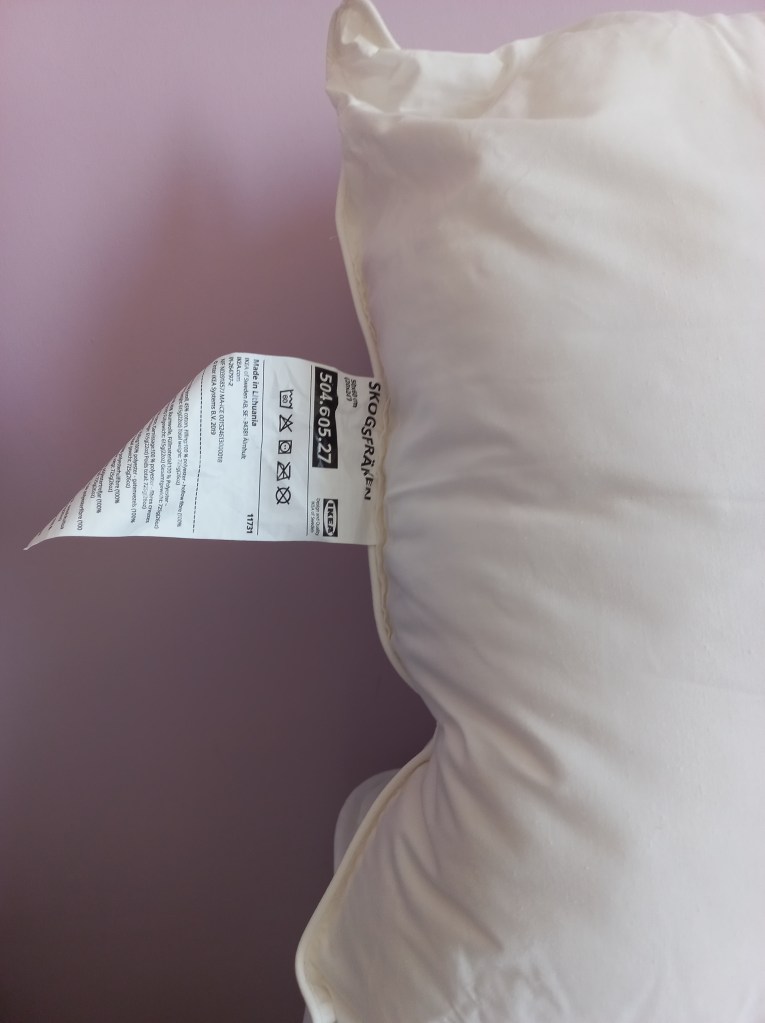
Knowing my pillows are fresh and allergen-free gives me peace at night. It’s simple, but for me, it’s a cornerstone of daily allergy management.

🧹 Step 4. Clean Surfaces Save Your Skin
I loved having a cozy, book-filled desk—it felt like my safe haven. But honestly, it was a nightmare for my allergy. Papers, books, plants, decorative ornaments, even my laptop collected dust fast. I was lucky that my bookcase is outside my bedroom. May God protect you if you have one in your room! 🙈

Minimalism was tough for a natural collector like me. But health comes first. I moved my books into a storage case and kept only my laptop and mouse on the desk.
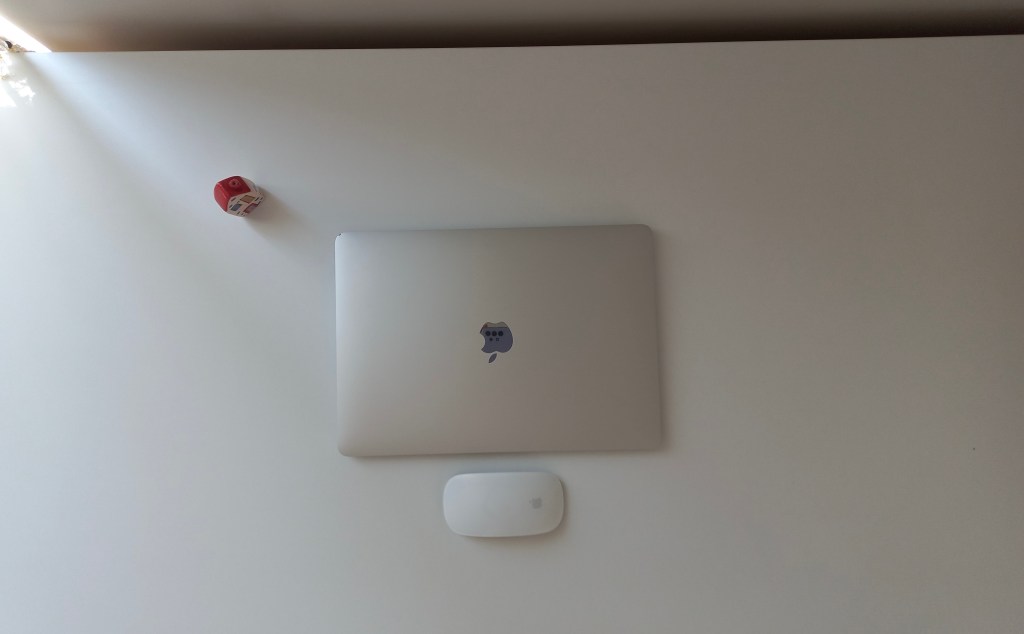

Every day, I wipe the surface with a damp microfiber cloth. This little ritual feels calming, like I’m protecting myself without turning my home into a sterile lab. It’s a balance, and it works.
🪟 Step 5. Cut Out Hidden Triggers
Heavy curtains and thick carpets add warmth and style—but for dust-mite allergy sufferers, they can be silent troublemakers. I learned this the hard way, after realizing these cozy fabrics quietly collected dust and allergens.
So, I swapped heavy curtains for lighter, easy-to-clean ones. Cleaning became easier and more effective. I gave up on carpets altogether in my bedroom. But if you can’t part with yours, make a strict rule: vacuum daily with a HEPA-filter vacuum.
I use the Miele Guard L1 Allergy, and it’s a game changer! Finally, I feel like I’m fighting back, not just reacting. 💪🏻

I also spray anti-mite treatment on mattresses and carpets every few months. Small, simple steps that help keep symptoms at bay, especially in tough seasons.
👚 Step 6: Seal Off Allergens in Clothing
Wool and fuzzy clothes feel comforting, especially in colder months. But for me, they were secret carriers of dust mites—and all the itch and irritation that follow.
Vacuum-sealed bags became my best friends for storing these clothes.
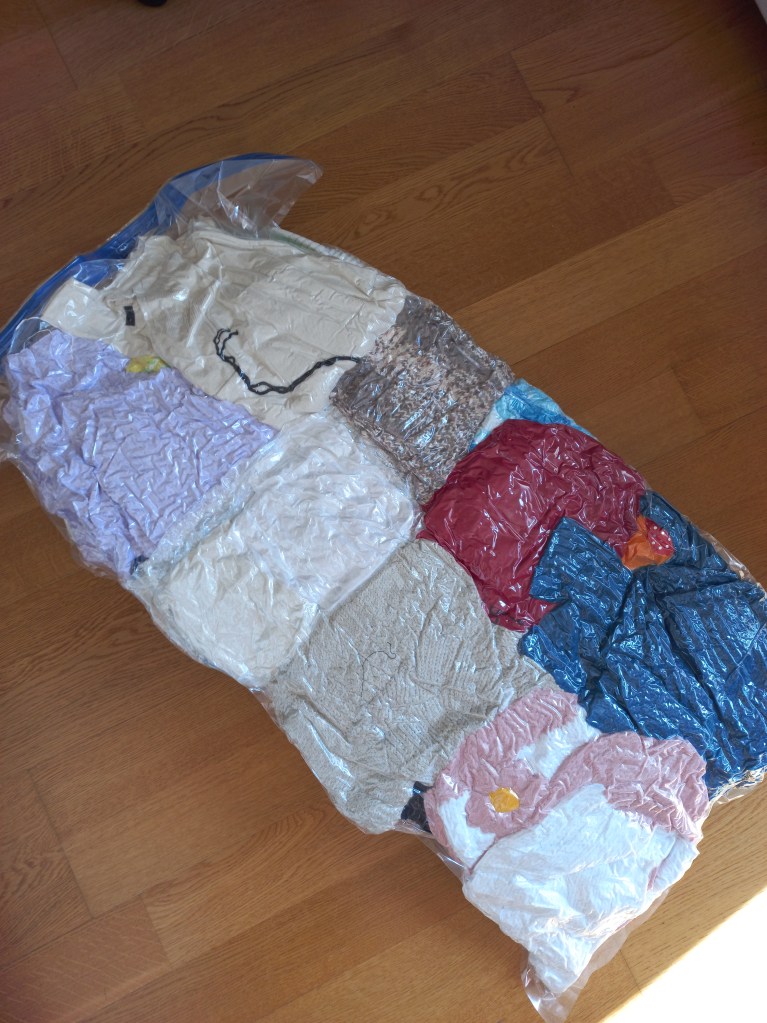
Even my nightwear has its own zipped sanctuary. It might sound over the top, but these small habits make a real difference.

Also, you may use a lint roller before and after wearing your clothes.
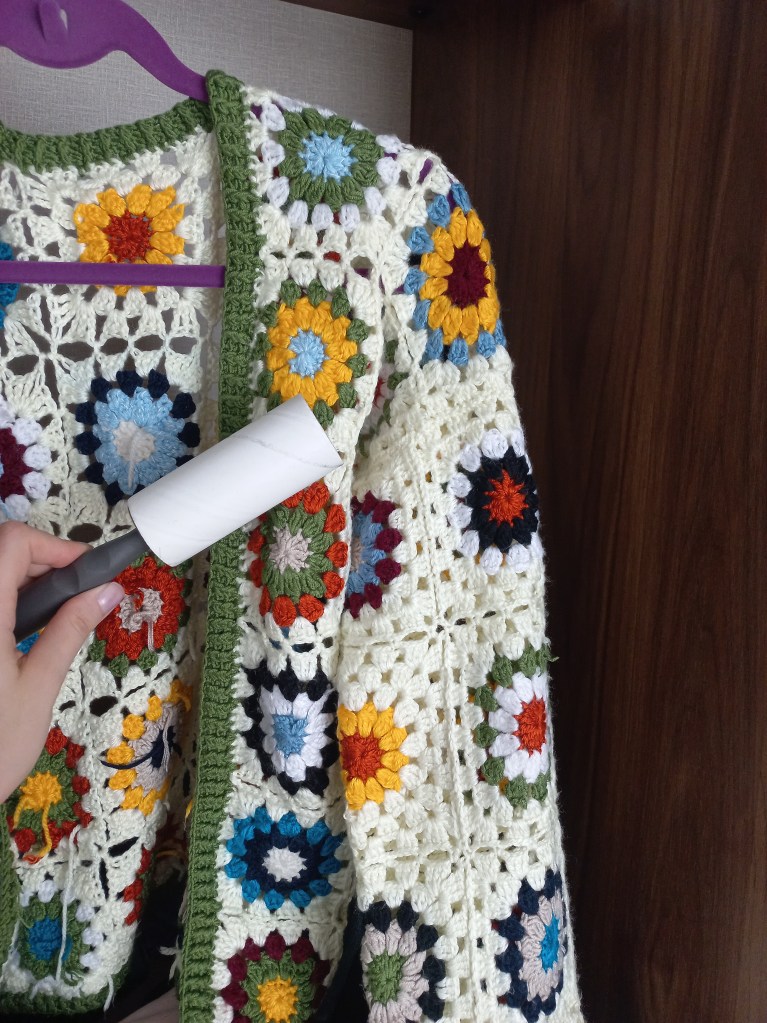
I want my bed to be a safe, allergen-free zone, not a trap.
🧤 Step 7. Gear Up for Cleaning
Cleaning feels like a battlefield with dust-mite allergy. Every sweep stirs up microscopic enemies ready to irritate skin and lungs.

My mask and gloves became non-negotiable armor. I wear a medical-grade mask that filters invisible irritants and nitrile gloves to protect my hands from allergens and harsh cleaning agents.
At first, it felt awkward—like prepping for surgery. But now, it’s a self-care ritual disguised as a chore. And honestly? That mindset shift makes all the difference.
🧼 Step 8. Cleaning Strategy That Works
Cleaning became a carefully choreographed routine. My best allies: a bagged vacuum with HEPA filter and microfiber cloths.
I vacuum the floors, walls, and furniture daily if I can, otherwise weekly with focus. Laundry is key, too—I wash everything at or above 60°C with hypoallergenic detergents like Frosch, Domol, or Omo Sensitive. Adding anti-mite additives helps, too.
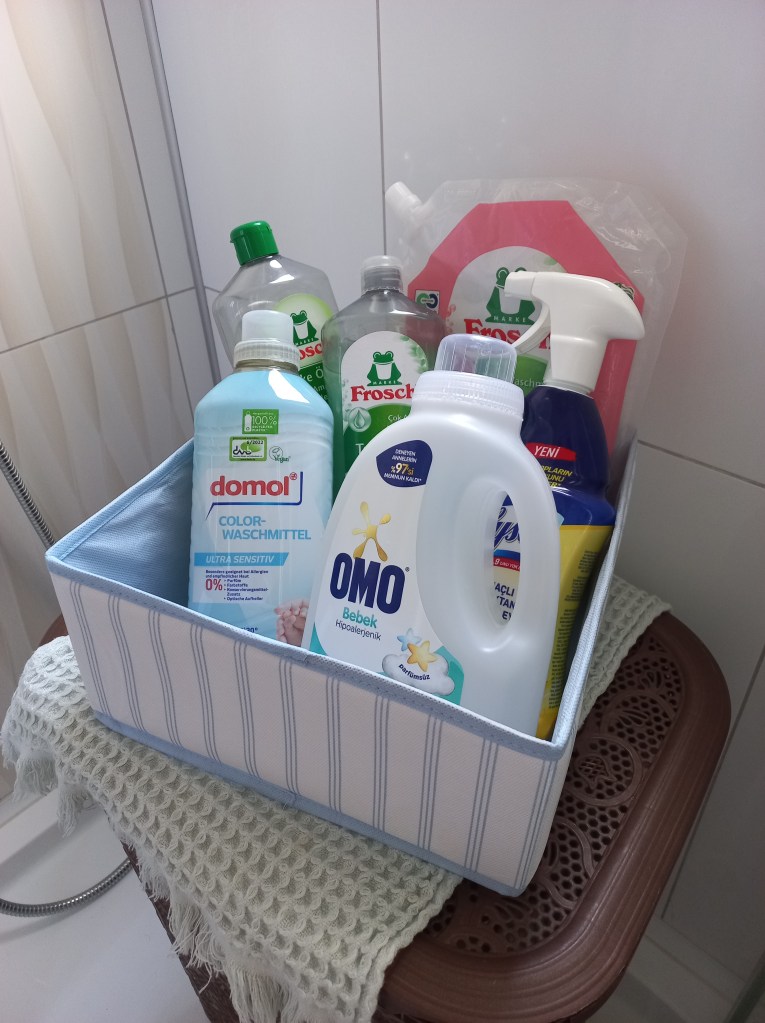
Here’s a surprise: dust mites can jump from dirty to clean clothes during washing. So, I separate laundry carefully—a small habit that matters.
🌿Step 9. Care for Your Skin Barrier, and Eyes
With dust-mite allergy, skin feels like the frontline soldier—raw, sensitive, sometimes angry.
Heavy creams suffocated my skin. So, I switched to gentle products focused on calming and protecting the skin barrier.
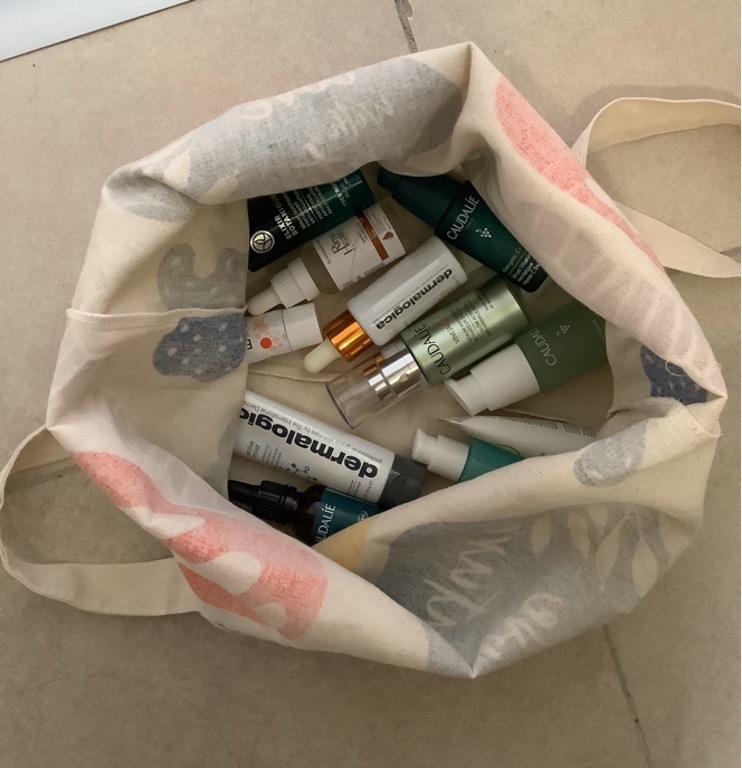
Avène Tolérance Control and Dermalogica Calm Water Gel became my trusted companions, soothing redness and itch.
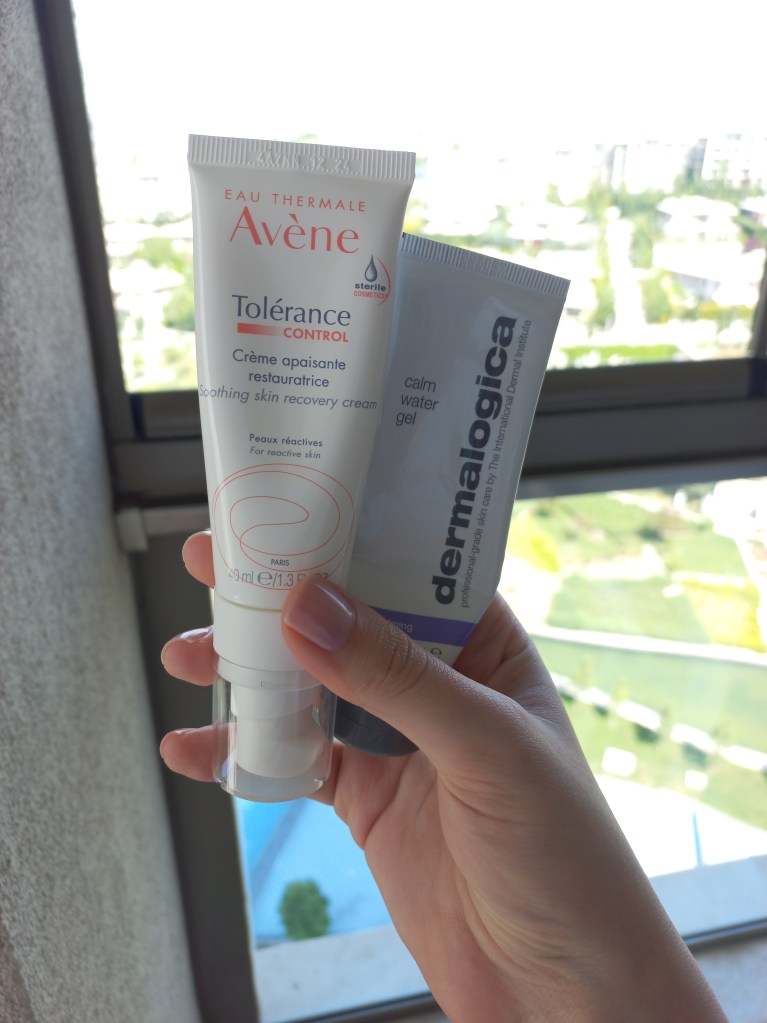
For body care, Excipial Lipo 4% Urea Cream and Avène XeraCalm A.D. Cleansing Oil have been lifesavers.

When flare-ups hit, Bepanthol Sensiderm Itch Relief Cream is my go-to emergency balm.
If your eyes are extremely sensitive to environmental conditions and to make-up, you may use Eye Contour Shampooand Eye Drops after consulting your ophthalmologist or pharmacist.
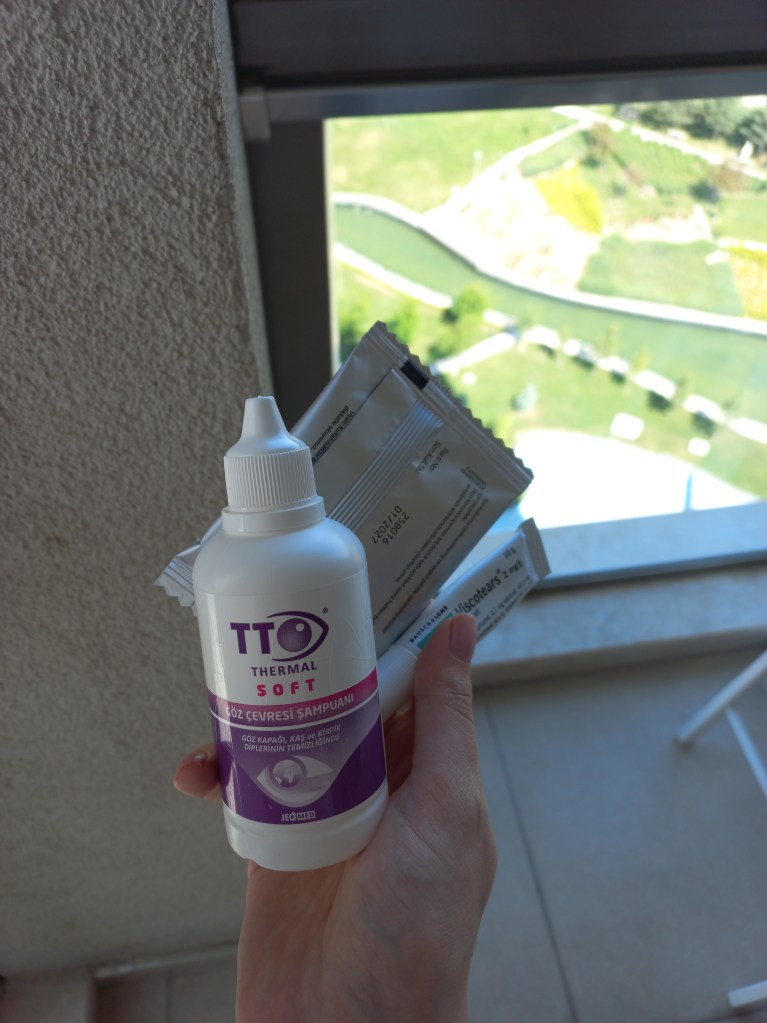
Remember, this isn’t about perfection. It’s about respect for your skin’s limits and treating it gently, especially when vulnerable.
Long Story Short: Small, Intentional Changes Matter
Living with dust-mite allergy isn’t about drastic measures or turning your home into a sterile lab. It’s about mindset and small, thoughtful changes that add up.
Start with your bedroom—the place you rest most. Clear obvious dust traps, but don’t stress about perfection. Choose fabrics and materials that help, not hurt. Protect your skin with gentle care. And give yourself patience as you find what works.
This journey taught me managing allergies is deeply personal. If you truly want to make a change, your brain certainly finds a way to adapt.
I wanted to share this two-part series because I haven’t found a single source that covers all the aspects. But remember, what works for one person might not work for another. Listen to your body and doctor. Trust your instincts and create routines that fit your life, not the other way around.
Also, here I’d like to share a Dust-Mite Management Checklist for you. I hope you find it useful. 💜
I hope that sharing my experience will bring you some clarity and comfort. What has worked for managing your allergy? I’d love to hear about your experience in the comments! 👩🏻
I’d like to add some articles you may want to read further:
- https://www.jacionline.org/article/S0091-6749(03)01283-1/pdf
- https://onlinelibrary.wiley.com/doi/full/10.1111/cea.12450
- https://pmc.ncbi.nlm.nih.gov/articles/PMC11450438/
- https://pmc.ncbi.nlm.nih.gov/articles/PMC6474366/
- https://pmc.ncbi.nlm.nih.gov/articles/PMC6378489/
For extensive and reliable search of allergy-friendly products: https://www.allergyuk.org/our-services/allergyuk-products/
💌hello@betweeneverywhereandnowhere.com
3 responses to “Living with Dust-Mite Allergy: How I Manage Dust-Mite Allergy on a Budget”
-
Thanks!! I was also diagnosed with a dust mite allergy. This checklist is super helpful!
LikeLike
-
I’m so glad to hear it! Wishing you relief and calm days ahead.💜
LikeLike
-
-

[…] was the first feeling that overwhelmed me. It was exactly one week after finishing writing my affordable allergy guide when I randomly bumped into this book at a bookstore. It was resting on the lowest shelf, quiet, […]
LikeLike





 Between Everywhere and Nowhere
Leave a comment